Exploring the Intersection of Wine and Wildlife: Sustainable Practices for a Tasteful Future
In today's world, the delicate balance between taste and ethics has become increasingly vital, especially in the food and beverage industry. Imagine enjoying a perfectly aged vintage wine while knowing that your indulgence supports wildlife conservation. That's the harmony we’re cultivating as we delve into sustainable winemaking practices that not only enhance the flavors of our cherished grape varieties but also contribute to the protection of our planet's biodiversity. How can a glass of wine do all this, you may wonder? Well, sit back and let’s explore the intersection of wine and wildlife conservation together.
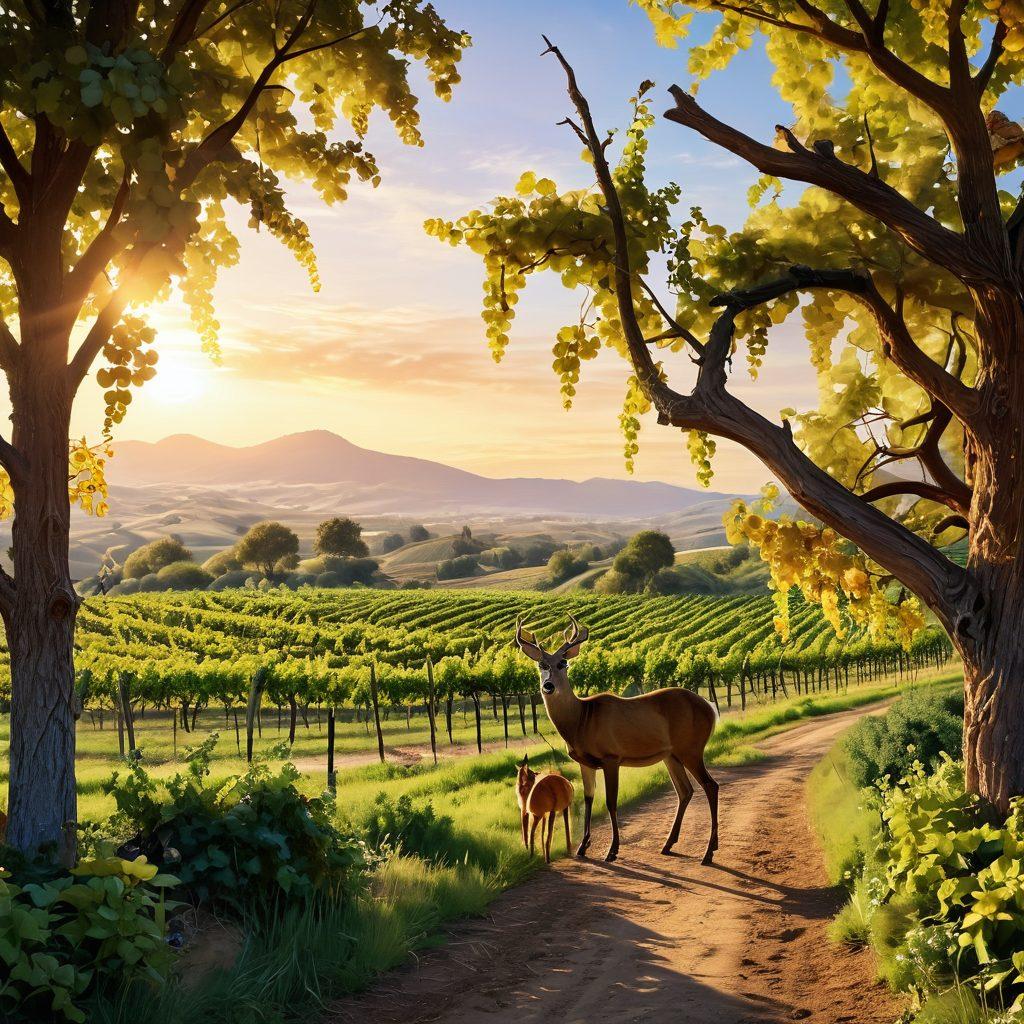
Sustainable winemaking isn’t merely a trend; it’s a necessity for our environmental future. In regions rich with vineyards, like Napa Valley and Bordeaux, innovative vineyard management techniques are employed that prioritize eco-friendly farming methods. Picture this: vineyards blooming with native flora, bees buzzing amongst the vines, and local wildlife thriving in harmony with grape growing. This mesmerizing balance aids in enhancing the flavor profiles of wines while concurrently protecting fragile ecosystems, ensuring that the vineyards not only produce wine but also support animal welfare and environmental conservation.
The beauty of sustainable practices in winemaking extends beyond the vineyard. It's a lifestyle, an ethos that embodies a deep commitment to our planet. For example, some wine producers are deeply involved in apiculture, promoting the well-being of bees essential for pollination. As we sip on biodynamic wines from organic vineyards, we recognize the effort put into preserving natural habitats. It's like each bottle carries a story of commitment, resonating with the sentiment that what is good for the earth is ultimately good for wine appreciation. Can you recall the last time you raised a glass, knowing that each sip supports a charitable organization making strides in wildlife conservation?
Moreover, the integration of wildlife-friendly practices in vineyard management has opened avenues for wine tourism that truly reflects sustainability. Picture walking through a vineyard alive with colors, the scent of grapes in the air, all while learning about the various animal species that flourish thanks to eco-conscious efforts. It’s not just about tasting the best wines; it’s about experiencing the land and its stories. Wine festivals featuring these ethical producers not only brighten your palate but further enhance your understanding of how the food industry can coalesce with conservation. Doesn’t that enhance the entire experience of indulging in wine?
As we foster this bond between wine and wildlife, we can’t overlook the role of nonprofit organizations advocating for these sustainable practices. They push for agricultural sustainability, ensuring that the grape harvest is not just a seasonal event, but a commitment to preserving habitats and fostering biodiversity. So, next time you consider pouring a glass, think about the farmers and workers who strive to blend tradition with responsibility. You are engaging in a conversation about ethics in food, ensuring that the future of our beloved wine regions is as rich and vibrant as the flavors it provides. Together, through sustainable winemaking, we can cultivate a beautiful harmony that extends beyond our glasses and into the very heart of wildlife conservation.
From Grape to Glass: The Role of Biodiversity in Quality Wine Production
Picture yourself strolling through a sun-kissed vineyard, lush green vines stretching out under an azure sky. The scent of ripe grapes hangs in the air, mingling harmoniously with the sounds of rustling leaves and the soft buzz of bees. This image isn't just a feast for the senses; it's a testament to the delicate balance between nature and winemaking. Through the lens of biodiversity, the journey from grape to glass reveals an intricate tapestry where quality wine production meets wildlife conservation—a narrative that is both profound and flavorful. But how exactly does biodiversity play a role in crafting those exquisite flavor profiles we cherish in our favorite wines?
As we dive deeper into the world of sustainable practices in wine production, we come across the innovative ways vineyards are incorporating wildlife into their vineyard management strategies. By cultivating indigenous plants to attract beneficial insects and practicing eco-friendly farming techniques, growers are able to enhance the health of their soils and, in turn, their grapes. This organic approach not only ensures agricultural sustainability but also creates a vibrant ecosystem supporting various animal species—from pollinators like bees in apiculture to the unique presence of primates in specific wine regions. Isn’t it fascinating how a simple grape variety can thrive alongside thriving wildlife?
Moreover, engaging in wine tourism has taken on a new meaning: it's not merely about tasting vintage wine but understanding the ethics in food and how every sip can have an impact. Wine festivals across the globe are increasingly spotlighting organic vineyards and biodynamic wines, inviting wine enthusiasts to experience firsthand the stories of the land and its caretakers. This trend enriches wine appreciation as visitors learn about sustainable practices that ensure both animal welfare and environmental conservation. Have you ever considered how your choice of a wine might support a charitable organization dedicated to these causes?
As we savor each drop, it's worth reflecting on the journey of our favorite beverage—from meticulous grape harvests to the artful fermentation process. The underlying commitment to combining winemaking with the preservation of biodiversity signifies a broader movement within the food and beverage industry. Each bottle not only encapsulates complex flavors developed through careful vineyard management but also embodies an ethos of responsibility toward our planet. What if the next time you pour a glass, you consciously chose a wine that champions sustainable practices?
Ultimately, understanding the connection between wine and wildlife reveals a richer narrative rooted in shared responsibility. In a world where environmental challenges loom large, the actions of winemakers today—through the protection of ecosystems and assurance of ethical practices—pave the way for future generations of wine lovers. Let’s indulge our passion for wine while also nurturing the planet. So, the next time you spin a story about your favorite wine, remember the wildlife that helped shape it. Cheers to a future where every pour supports not just the palate, but the earth!
Sipping Sustainably: Exploring Eco-Friendly Practices in Vineyards and Beyond
Amidst the rolling hills of lush vineyards, the soft whisper of nature collides with the age-old traditions of winemaking. This earthy partnership sets the stage for a sustainable and tasty future where eco-friendly practices are becoming the lifeblood of wineries around the globe. Picture yourself savoring a glass of vintage wine, each sip bursting with more than just flavor profiles; it carries the essence of responsible grape growing, ethical vineyard management, and a commitment to environmental conservation. Ready to explore how sipping sustainably can change the way we appreciate wine?
From organic vineyards that shun chemicals to biodynamic wines harnessing nature's forces, sustainable practices in wine production have made impressive strides. Did you know that implementing eco-friendly farming methods not only enhances the quality of wine but supports the vibrant biodiversity of the wine regions? These methods promote soil health and protect local wildlife, creating a symbiotic relationship between winemakers and the environment. As we meld grapes with sustainability, we discover a win win that nourishes our planet, tantalizes our taste buds, and elevates our wine tourism experiences.
Wine appreciation takes on a new dimension when we consider the impact the food industry has on the environment. Can you imagine sipping on a merlot knowing that the vineyard actively supports animal welfare? Nonprofit organizations are coming together with local vineyards to implement wildlife conservation initiatives, fostering a habitat friendly to primates and pollinators alike, including the vital apiculture efforts that support fellow ecosystems. By choosing wines that prioritize sustainable practices, we align our enjoyment of beverages with a cause that echoes our ethics in food.
Not only does eco-friendly farming engage the senses, but it also provides thrilling opportunities for wine enthusiasts. Recent wine festivals have celebrated these sustainable movements, showcasing diverse grape varieties and offering tastings that tell remarkable stories of cooperation between various elements of nature and grape harvest techniques. Intriguingly, the conversation around vine growing now includes not just what’s in the glass but also the journey the grapes take—from vineyard to table—joining together the threads of agricultural sustainability with community impact.
So the next time you're at your favorite vineyard or selecting a bottle from the shelves, consider the sustainable practices that lie beneath the surface. What if your choice could help protect wildlife, support charitable organizations, and promote eco-friendly approaches to the beverages we love? The intersection of wine and wildlife invites us all to become stewards of the land we cherish, reminding us that with every toast we make, we can also toast to a better future for our planet. Let's raise our glass to sipping sustainably and the enchanting stories that intertwine with every vine.